

Heavy Metal Test Kit for Water
What Is Heavy Metal in Water?
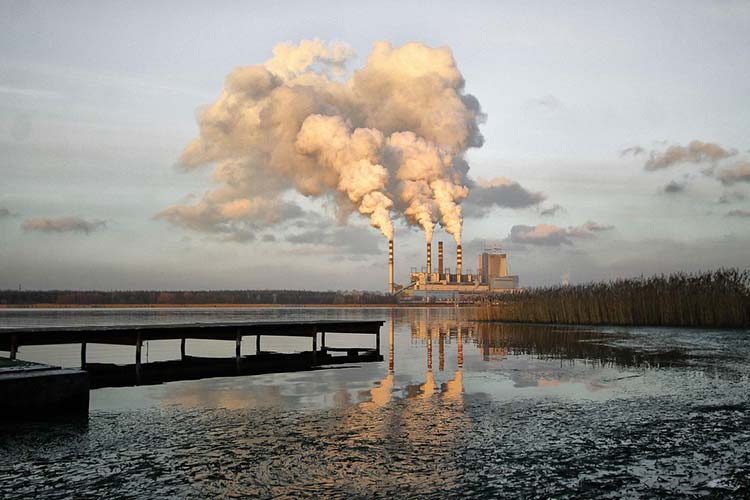
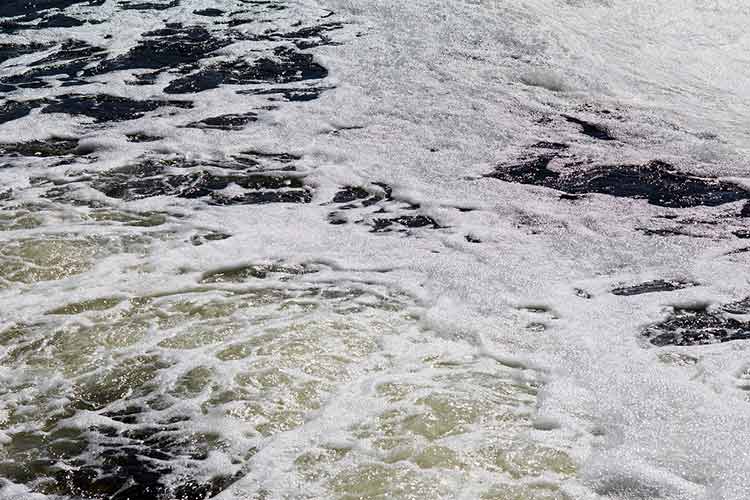
With the continuous development of industrialization, water resources worldwide are facing increasing pollution pressure from heavy metals. Heavy metal pollution is not as easy to decompose as common organic pollutants. Once it enters rivers, lakes, groundwater or drinking water systems, it may persist for a long time and affect ecosystems and human health through various pathways. Therefore, heavy metal in water has become one of the core issues in global water environment governance. In daily life, the water sources that people come into contact with most frequently include tap water, well water, surface water, etc. However, in both urban and rural areas, many regions have found that the content of heavy metals fluctuates or even exceeds the standard during monitoring. Especially around industrial concentration areas, the probability of heavy metal pollution is higher. For instance, substances such as lead, cadmium, arsenic, mercury and chromium are often found in groundwater or surface water monitoring data. It is worth noting that heavy metal pollution is not always visible to the naked eye and does not have a distinct smell or color. Therefore, even if the water body appears “clear”, there may still be a potential risk of heavy metal residues. It is precisely because of the complex forms of pollution and diverse influencing factors that heavy metal in water has become one of the significant challenges in ensuring the safety of drinking water and protecting the ecosystem.
Types of Heavy Metals in Water
The commonly found heavy metals in water include:
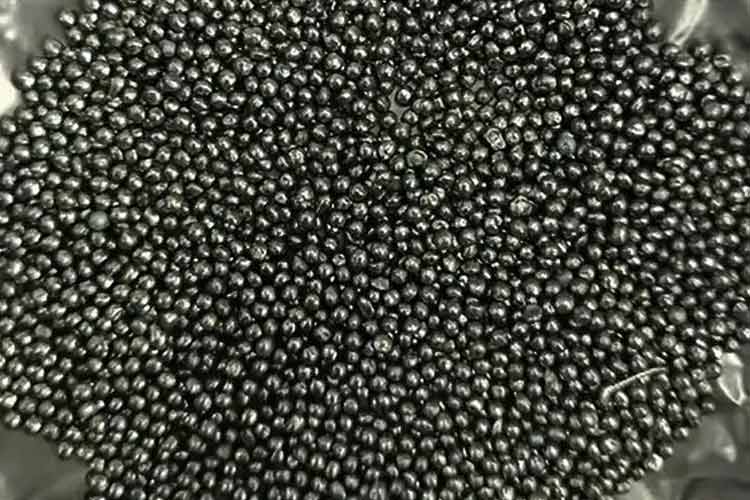
Lead
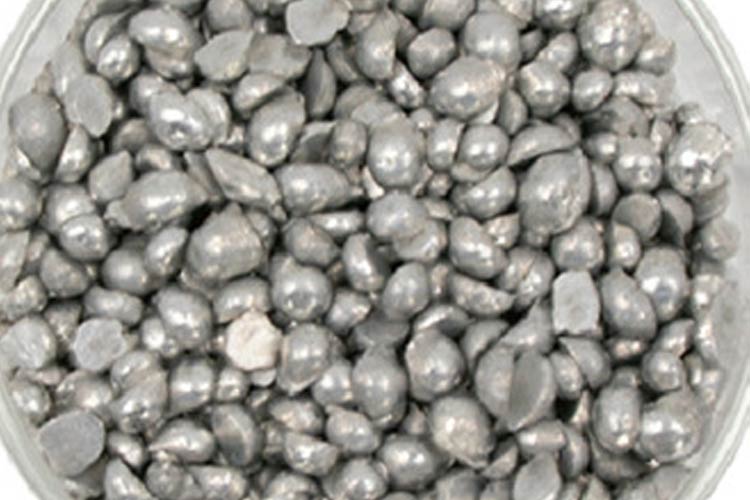
Cadmium
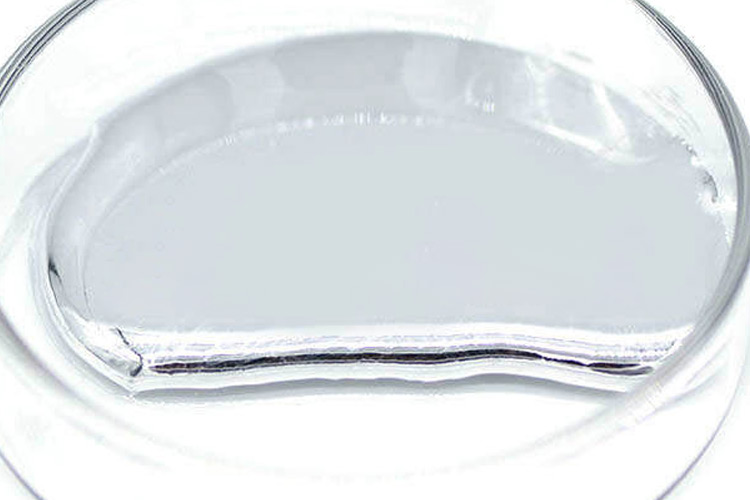
Mercury
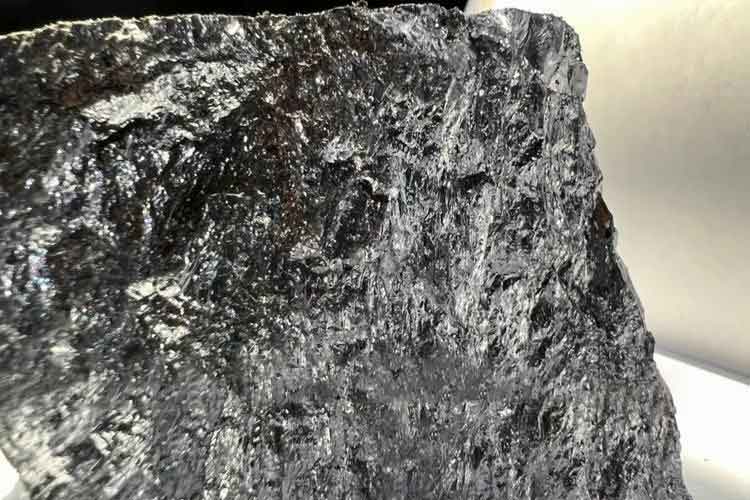
Arsenic
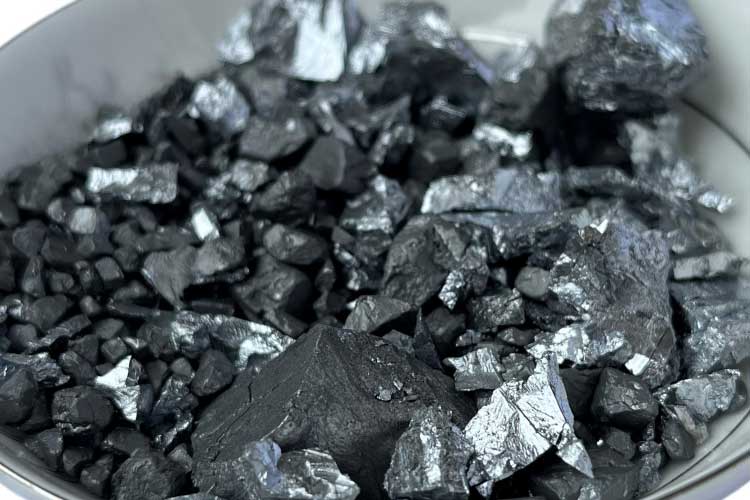
Chromium
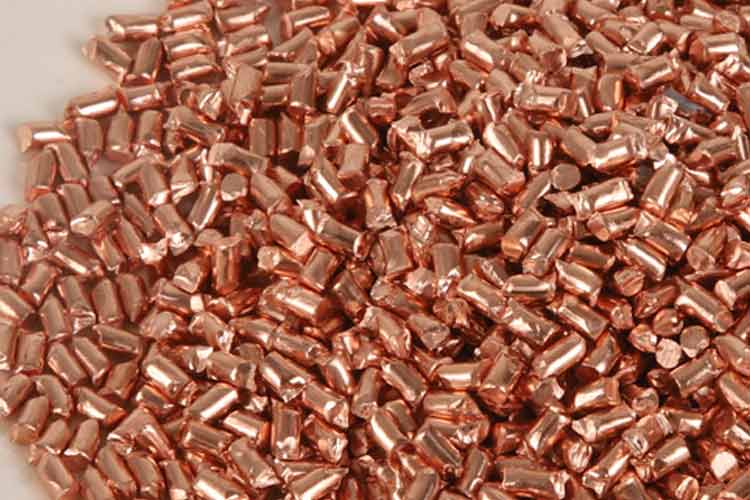
Copper
Sources of Heavy Metals in Water
Industrial pollution
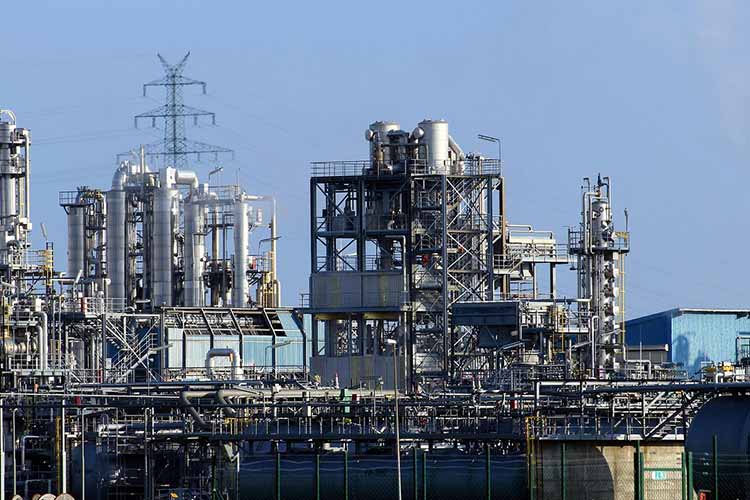
The wastewater discharged during industrial production contains a large amount of heavy metals. They mainly come from industries such as mineral mining, metal smelting, electroplating and chemical engineering. Water sources near electroplating plants, chemical plants and smelters are particularly vulnerable to the impact.

Agricultural pollution
Agricultural fertilizers used in agricultural production contain heavy metals. These pollutants can enter water bodies through surface runoff, farmland drainage and other means. When the irrigation water in farmland is polluted, heavy metals may also accumulate in the soil and enter crops.
Urban domestic sewage
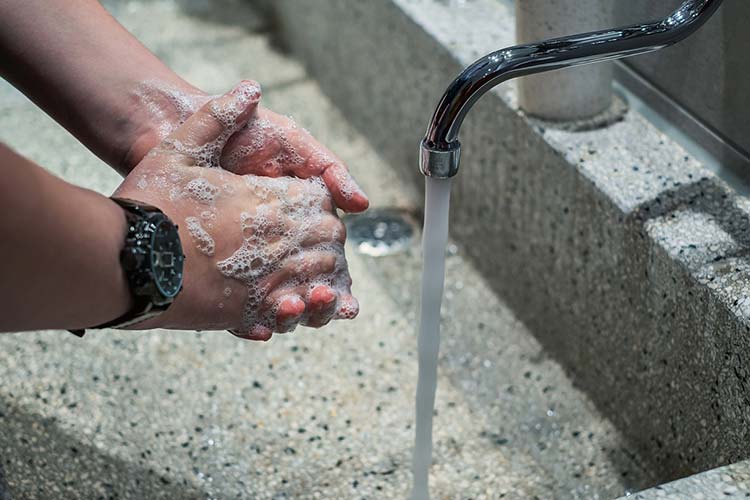
The sewage produced by urban residents in their daily lives contains various heavy metals. These pollutants mainly come from the wastewater discharge of industries such as household detergents, cosmetics and food processing. In addition, municipal landfill may also become sources of heavy metal pollution.

Traffic pollution
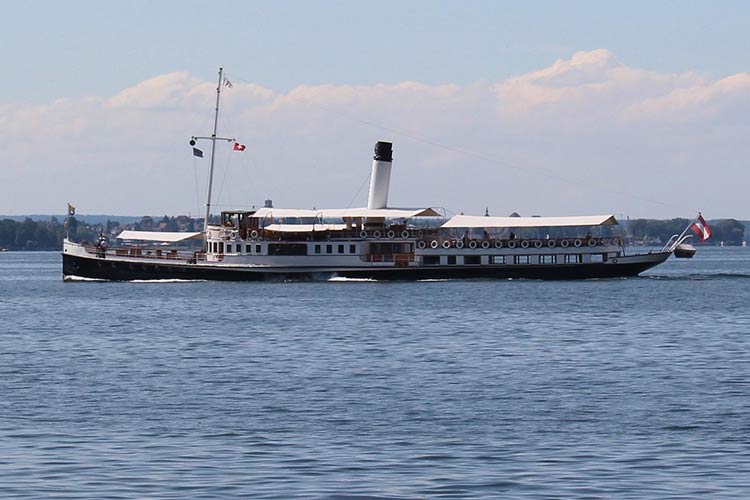
Vehicle exhaust contains a certain amount of heavy metals such as lead and mercury. These pollutants mainly come from the exhaust gas produced during the combustion process of car engines. In addition, heavy metal pollution may also occur during the process of ship transportation.

Natural disaster procedure
Volcanic eruptions earthquake and other natural disasters may cause rock weathering and release a large amount of heavy metals. For instance, when disasters like landslides and mudslides occur, high levels of elements such as lead and cadmium may enter rivers along with the sediment.
Marine pollution
The ocean is one of the largest ecosystems but it is also the area most severely polluted by heavy metals. Events such as oil spills and tanker accidents in the ocean can lead to a large amount of heavy metals entering the ocean. In addition, fertilizers and other substances used in breeding may also contain heavy metals.
Pollution Characteristics of Heavy Metals in Water
Heavy metals pollution in water has distinct particularities. Compared with common organic pollutants, its hazards are more persistent and complex. The main features include the following aspects:
Difficulty in degradation and durability: Heavy metals are not easily transformed into completely harmless forms. Once it enters the water body, it often exists and accumulates continuously, forming a persistent environmental risk.
Enrichment and biological magnification: Many heavy metals tend to accumulate in fish, shellfish and aquatic plants. They are gradually amplified along the food chain, eventually exposing human to a higher concentration of exposure risk.
Strong concealment: Most heavy metals are colorless and odorless and the appearance of water bodies usually does not change significantly. Therefore, without detection, heavy metal pollution is often in an invisible state, making early identification difficult.
Uneven spatial distribution: The distribution of heavy metals in water often shows local and patchy characteristics. The concentration is higher in areas close to industrial sources, mining areas and sewage outlets.
Complex chemical behaviors: The same metal may exist in water in various forms such as ionic, complex and precipitated states. These forms affect the stability, biological toxicity and migration patterns of metals, making pollution control more difficult.
What Are the Effects of Heavy Metals in Water?
Heavy metals pollution in water is characterized by high toxicity, persistence and accumulation. Its harm not only affects human health but also undermines the overall stability of the water ecosystem.

Effects on human health
Heavy metals are not easily excreted from the human body and gradually accumulate, causing damage to it. Heavy metals also can have strong interactions with proteins, enzymes and other substances in the human body. Many heavy metals are colorless and odorless so human body does not perceive the danger. Symptoms often do not appear until they have accumulated over a long period of time and the harm is extremely concealed.

Effects on aquatic plants
Aquatic plants are an important foundation of aquatic ecosystems but they are highly sensitive to heavy metals. After absorbing heavy metals in various ways, they can cause changes in growth, metabolism and physiological functions. When plants are damaged, they will further weaken the self-purification capacity of water bodies and exacerbate ecological imbalance.

Effects on aquatic animals
The impact of heavy metals on fish, shellfish and benthic animals is very significant and they are transferred to higher trophic levels through the food chain. Heavy metals in water have a significant impact on the growth, development and physiological metabolism of aquatic animals. When aquatic animals are damaged, it will affect the species structure and quantitative balance of the entire ecosystem.
Necessity of Monitoring Heavy Metals in Water
Heavy metals pollution in water is difficult to detect, highly toxic and persist without degrading over long periods. Therefore, continuous monitoring of heavy metal is particularly necessary. Once water bodies are contaminated by heavy metal, they tend to remain in a high-risk state for a relatively long time and may cause secondary pollution. If there is a lack of detection, problems cannot be identified and controlled in a timely manner at an early stage. In addition, heavy metals pose obvious hazards to human health, aquatic plants and aquatic animals. Even a slight increase in their concentration can lead to ecological imbalance and even damage the local aquatic ecosystem. Therefore, detection of heavy metals in water is of great significance in environmental water quality analysis. It can accurately assess the situation of heavy metal pollution and grasp the actual status of water quality. By using heavy metal detection technologies such as heavy metal test kit for water to carry out water environment monitoring work. Relevant prevention and control activities can be carried out in a timely manner based on the monitoring results to minimize the harm of heavy metal pollution.
How to Test Heavy Metals in Water?
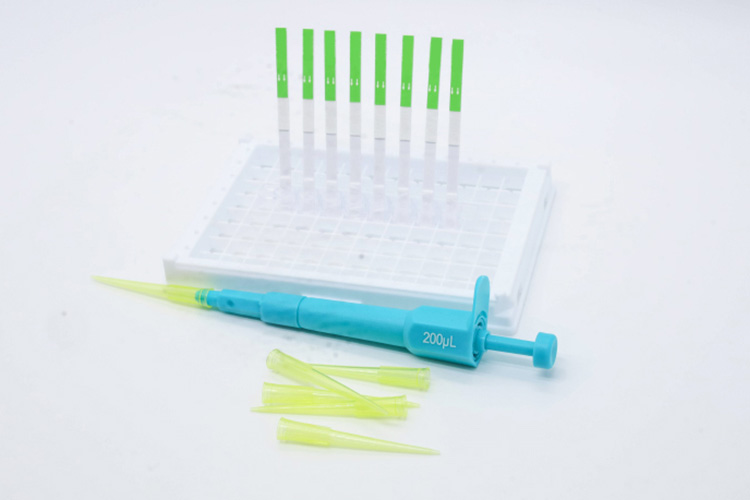
To address the concealment and complexity of heavy metals pollution in water, HMTK has developed a heavy metal test kit for water, also called heavy metal water test kit, which can be used to rapidly and accurately detect the content of multiple heavy metals in water. This test kit employs advanced micro-plate colorimetric method and colloidal gold competition method to rapidly determine the concentrations of various heavy metals in water. Heavy metal water test can be completed in on-site screening, providing timely data for water source management and pollution prevention and control. The kit is suitable for various water sources such as rivers, lakes, groundwater, tap water and agricultural irrigation water. Whether for daily monitoring or emergency screening, it can meet the needs of different scenarios. Through highly sensitive detection technology, users can quickly grasp the presence of heavy metals in water, promptly identify potential risks and assist in scientific decision-making.
Application Scenarios of Heavy Metal Test Kit for Water
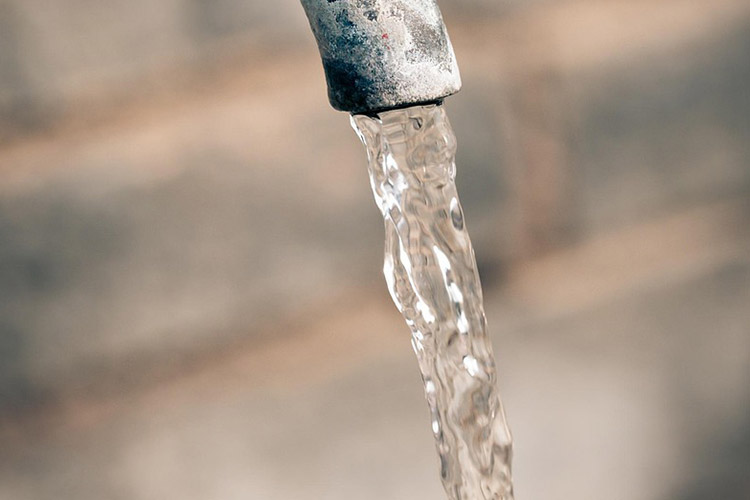
Daily water quality safety monitoring

Environmental and scientific research analysis
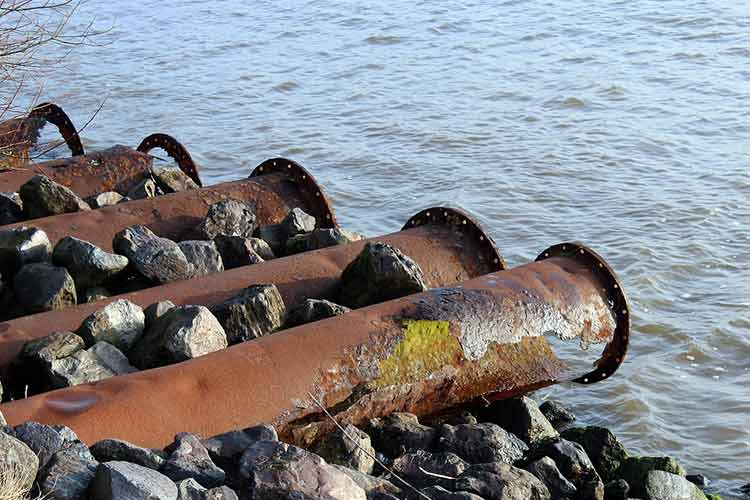
Rapid detection of sewage and effluent
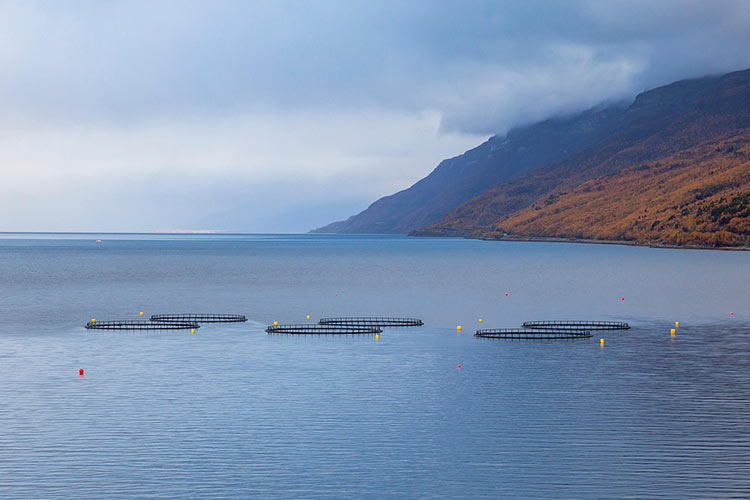
Agricultural and aquacultural water testing
Applicable Water Sources of Heavy Metal Test Kit for Water

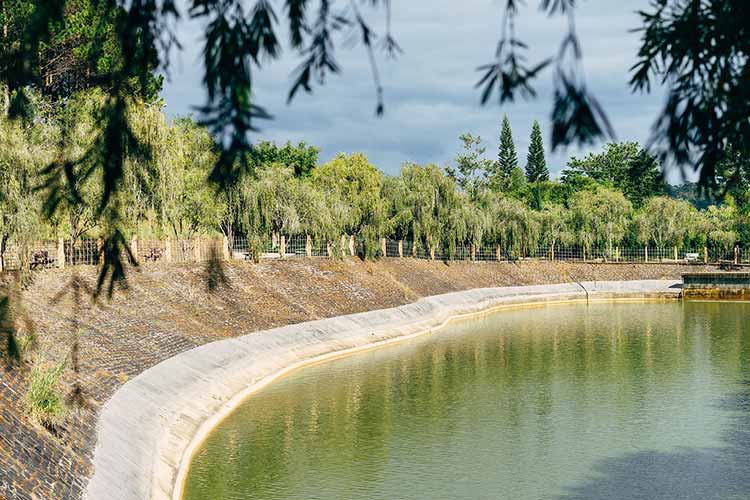
Surface water
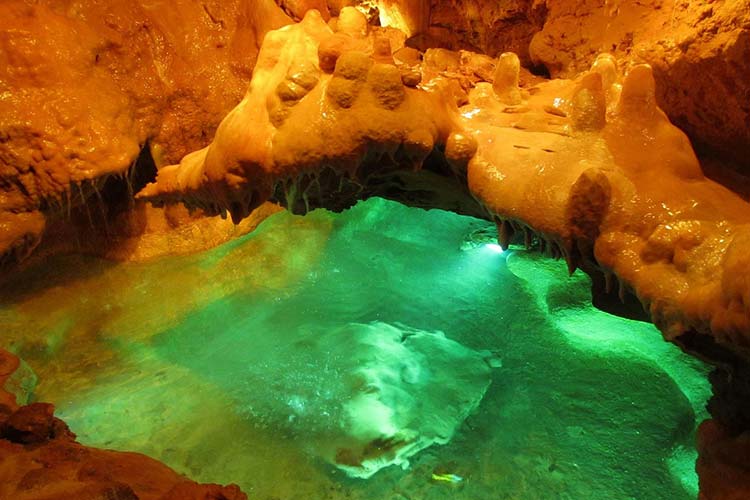
Groundwater
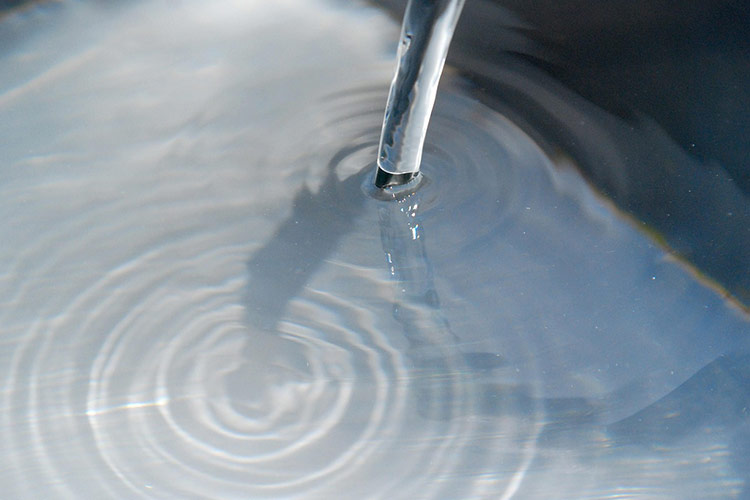
Drinking water

Agricultural irrigation water
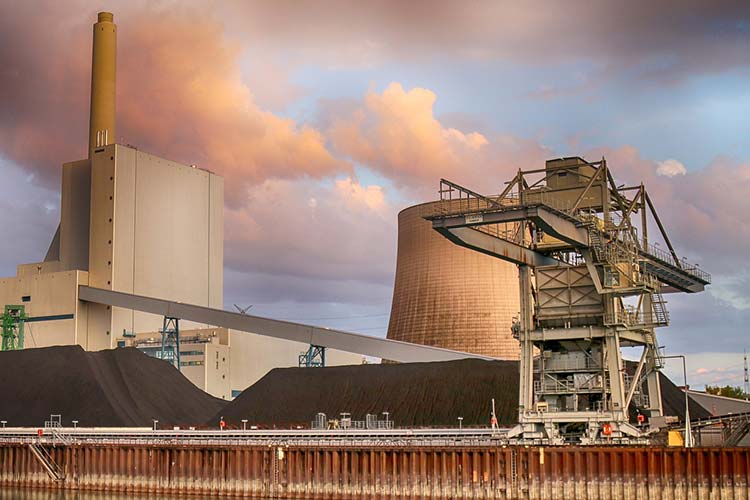
Industrial water
Storage water
Our Product - Heavy Metal Test Kit for Water
| Product | Sensitivity | Method |
|---|---|---|
| Cadmium Test Kit | 100 ppb | Colloidal Gold Competition Method |
How to Remove Heavy Metals from Water?
Reverse osmosis water purification technology: It is a widely used water purification technology in household and industrial water treatment. Through the filtration effect of the membrane, it can effectively remove most harmful substances in water, including heavy metals in water. It is currently one of the preferred methods for removing heavy metals from water in households.
Activated carbon adsorption: Activated carbon has a strong adsorption capacity. Although it cannot completely remove all heavy metals, for some common heavy metals such as lead and mercury, activated carbon can also play a certain role in removal. Therefore, activated carbon filter elements are widely used in many household water purifiers.
Ion exchange: It is a method that uses ion exchange resins to undergo exchange reactions with harmful ions in water, aiming to remove heavy metals. This method is particularly suitable for removing ions such as lead, copper from water. It is easy to operate but the resin needs to be replaced regularly. Otherwise, it will affect the removal effect.
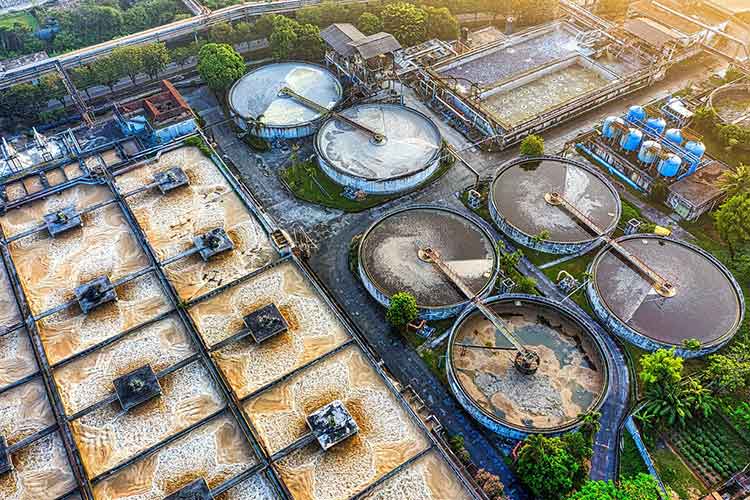
Precipitation: It is a technique that involves adding chemical agents to make heavy metals in water react with the agents to form insoluble precipitates, achieving the goal of removing heavy metals from water. This method is typically used in large-scale water treatment processes and is widely applied in industrial and sewage treatment plants and other places.
Inquiry for Heavy Metal Test Kit for Water
We would like to hear from you. Please send us a message by filling out the form below and we will get back with you shortly.