

Heavy Metal Test Kit for Fruits and Vegetables
Heavy Metals in Fruits and Vegetables
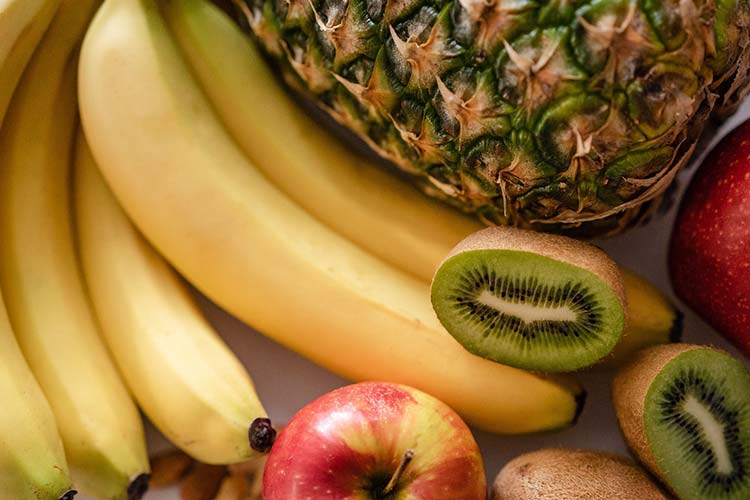
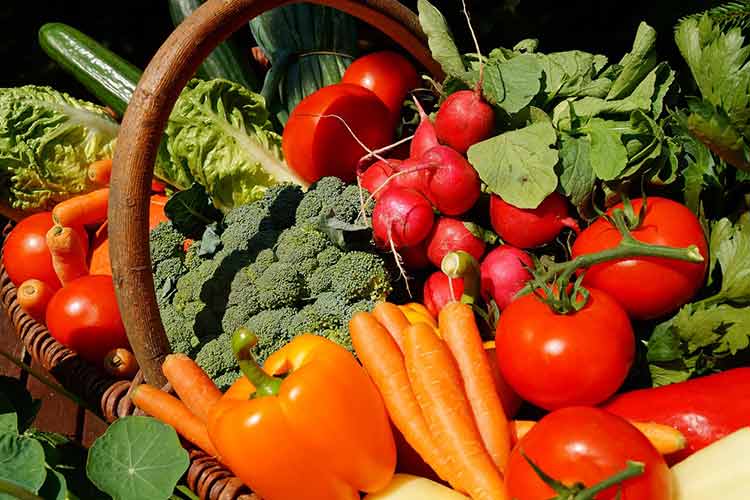
Fruits and vegetables are an indispensable category of food in human diet and they are rich in various nutrients such as vitamins and minerals. With the rapid development of the social economy, people are paying more and more attention to the safety of food. Heavy metals in fruits and vegetables is not accidental but is jointly determined by the plant growth mechanism and the agricultural ecological environment. Throughout their entire growth cycle, fruits and vegetables need to absorb a large amount of nutrients from soil, fertilizers and water to maintain processes such as germination, root growth, photosynthesis and fruiting. However, in addition to normal nutrients, soil and water bodies may also contain varying degrees of heavy metal elements such as cadmium, lead, mercury, arsenic, chromium, nickel, etc. When these metals accumulate to a certain concentration in the environment, plants, during the process of absorbing essential nutrients, are unable to distinguish between “beneficial elements” and “harmful heavy metals”. Therefore, they absorb and accumulate them together in their roots, stems, leaves and fruits. Especially in the context of modern agricultural intensive production, soil acidification, industrial emissions, mining area expansion, sewage irrigation have given more and more heavy metals the opportunity to enter the farmland system and then the food chain. The problem of heavy metal pollution not only reflects the health status of the agricultural ecosystem but also serves as an important indicator for measuring food safety. So understanding the heavy metals in fruits and vegetables is an important starting point for ensuring food safety, optimizing agricultural production and enhancing consumers’ health awareness.
Sources Analysis of Heavy Metals in Fruits and Vegetables
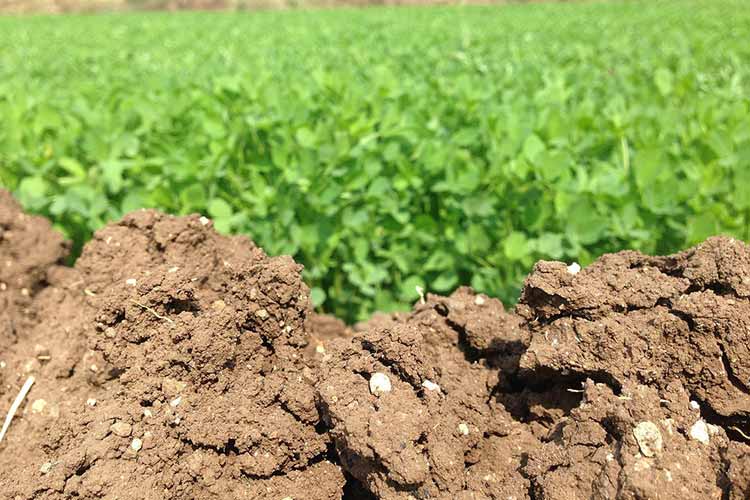
Contaminated soil
Farmlands near industrial zones and land around mining areas where fertilizers or sludge containing heavy metals have been used for soil improvement for a long time may all lead to an increase in the content of metals in the soil. When plant roots absorb nutrients, they cannot completely block heavy metal ions with similar structures, gradually accumulating in the crops body.
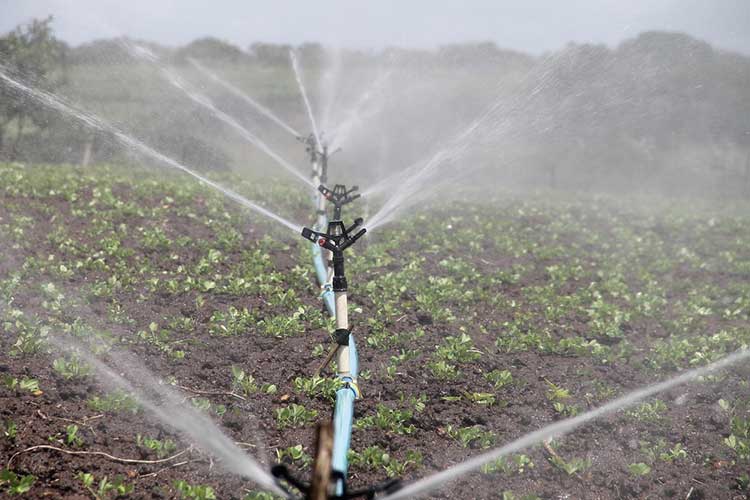
Polluted irrigation water
In many areas, river water, well water or reclaimed water are used for agricultural irrigation. If the water sources are affected by industrial wastewater, mining wastewater or urban domestic sewage, they may contain excessive heavy metals. Long-term use of this kind of water for irrigation will cause heavy metal ions to directly enter the soil and plant roots, becoming a hidden channel for fruit and vegetable pollution.
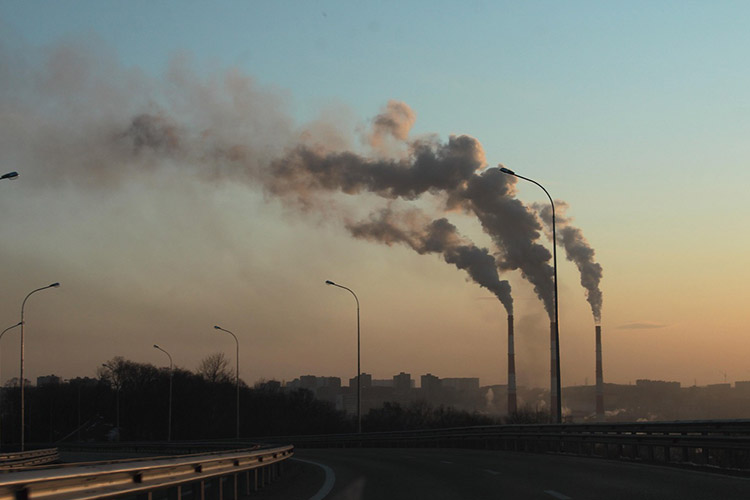
Atmospheric contamination
Factory emissions, traffic exhaust, metal smelting and garbage incineration can all release heavy metal particles into the air. These particles will settle on the surface of farmland and be directly adsorbed by leaves and fruit peels or they may enter the soil with rainwater. Fruits and vegetables close to traffic roads or heavy industrial areas are more prone to such atmospheric deposition pollution.
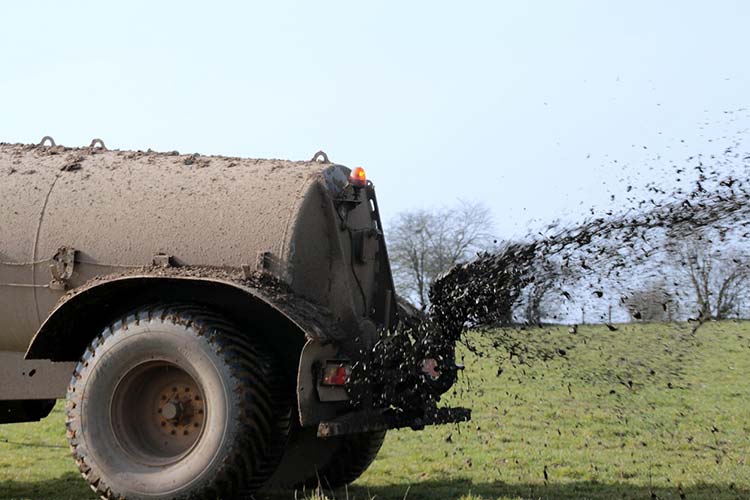
Agricultural inputs containing heavy metals
Some low-quality phosphate fertilizers, compound fertilizers, as well as certain pesticides may contain heavy metal elements such as cadmium and arsenic. If unregulated or unverified inputs are used in agricultural production, heavy metals will be unknowingly introduced into the soil and crops, posing potential risks to fruits and vegetables.
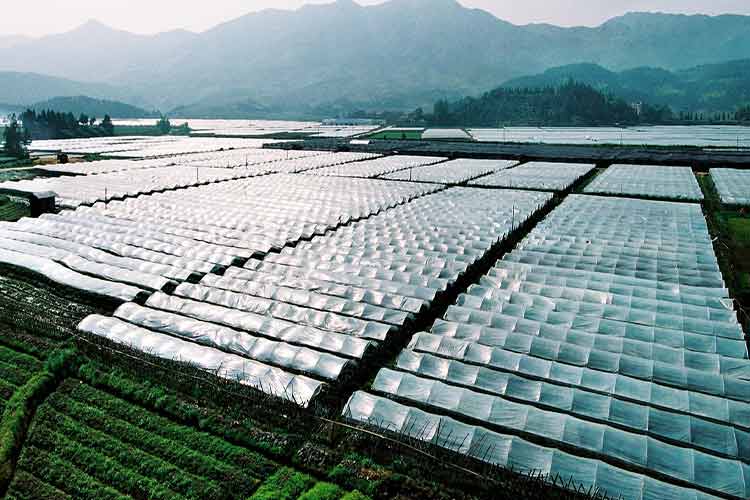
Degradation of agricultural plastics
Plastic films, drip irrigation pipes, sprinkler equipment and other materials are widely used in agricultural production. If the quality of the materials is poor or they are severely aged, some products may release heavy metal additives. These substances may enter the farming environment with water flow or rainwater, increasing the possibility of fruits and vegetables being contaminated.
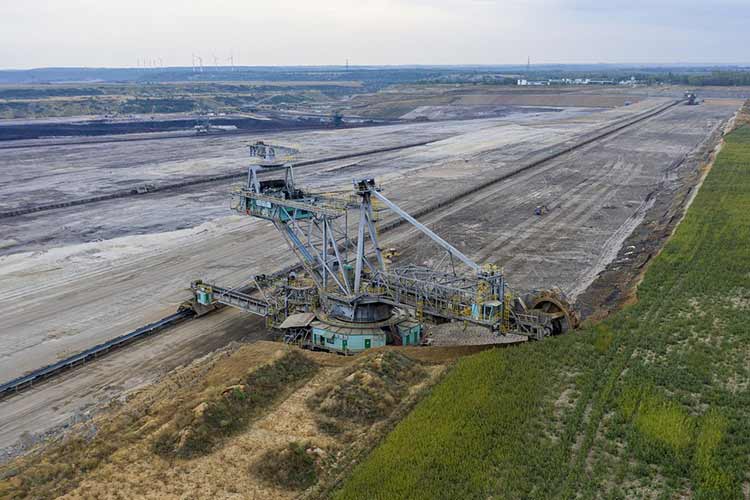
Industrial mining emission
Wastewater and metal-containing smoke dust produced in the processes of mining and smelting are important sources of heavy metal pollution. If these wastes are discharged or leaked by rainwater without strict treatment, their metallic components will enter the surrounding rivers, groundwater and farmland soil.
Why Do Fruits and Vegetables Absorb Heavy Metals?
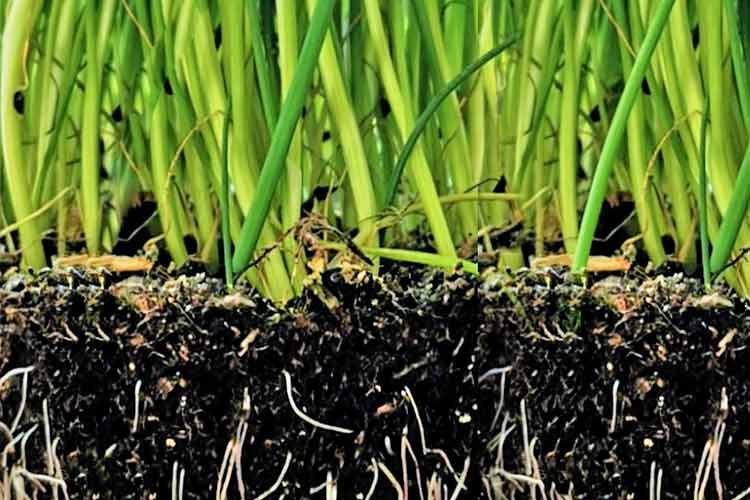
The most fundamental reason why fruits and vegetables absorb heavy metals is that when plant roots absorb nutrients, they cannot fully distinguish between beneficial and harmful metals. Many heavy metals have ionic structures similar to essential nutrients for plants. Therefore, when the content of these metals in soil or water is too high, plants will bring them into their bodies during the normal absorption process. In addition, heavy metals have the characteristics of being difficult to degrade and easy to accumulate in the environment. They remain in the soil for a long time and have high bioavailability, which makes plants continuously exposed throughout their growth cycle and more easily absorbed. On the other hand, the growth characteristics of crops also affect their ability to absorb heavy metals. Some fruit crops also have a relatively high transport capacity for specific metals. When plants are under stress such as soil acidification, increased salinity or nutrient deficiency, it may also increase the absorption rate of metal ions by the root system, further raising the concentration of heavy metals in fruits and vegetables.
Common Types of Heavy Metals Found in Fruits and Vegetables
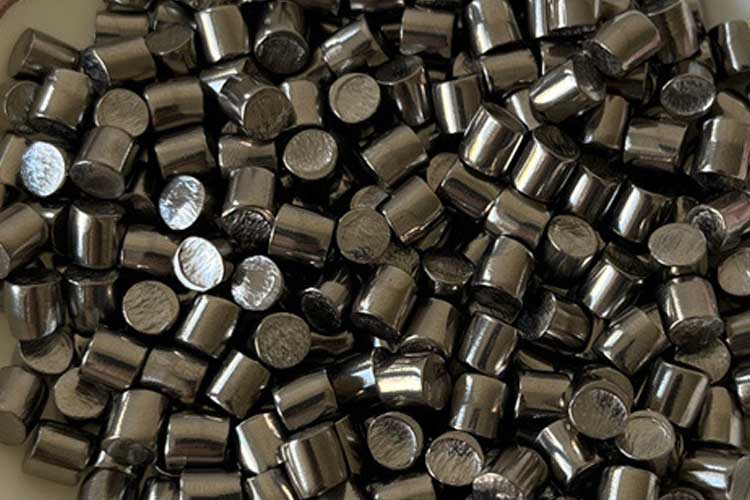
Cadmium
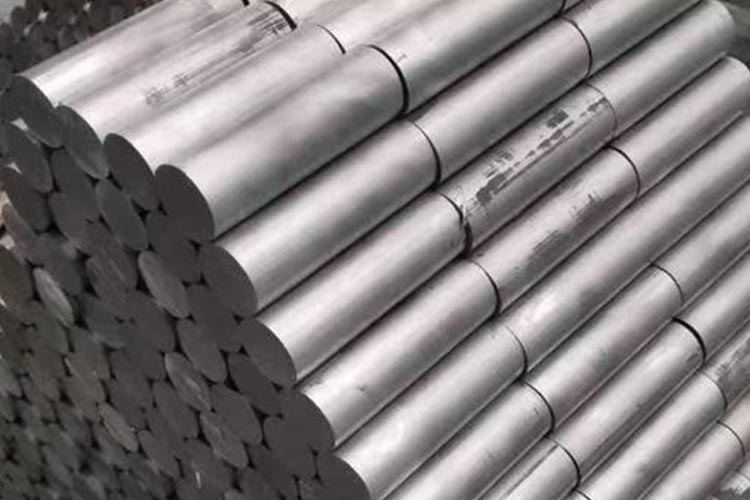
Lead
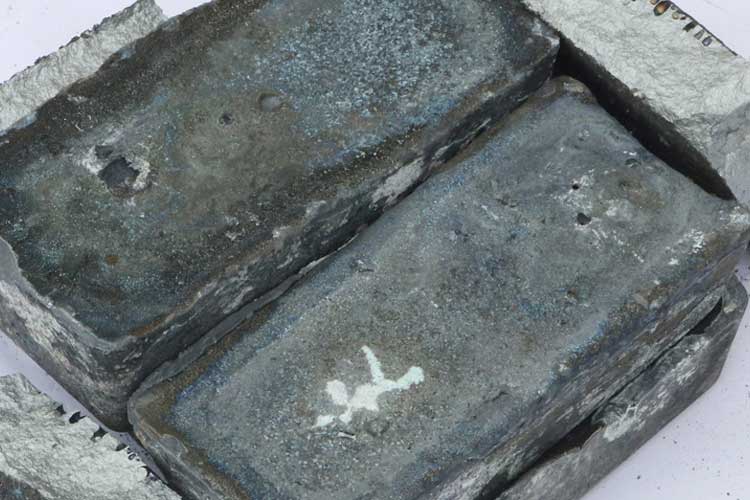
Arsenic
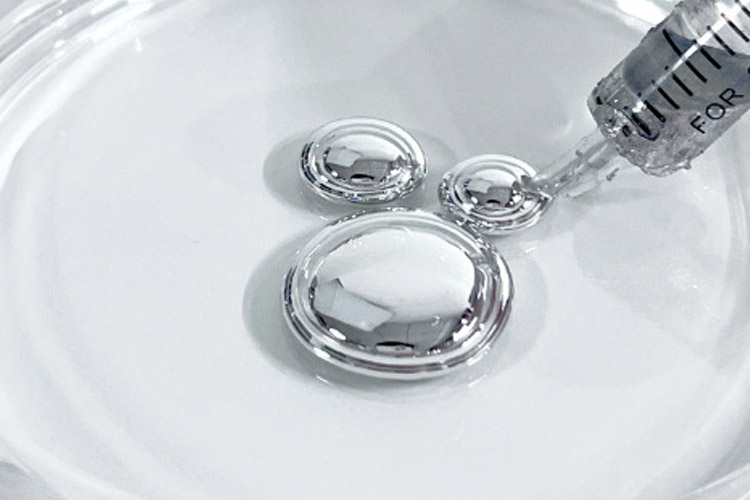
Mercury
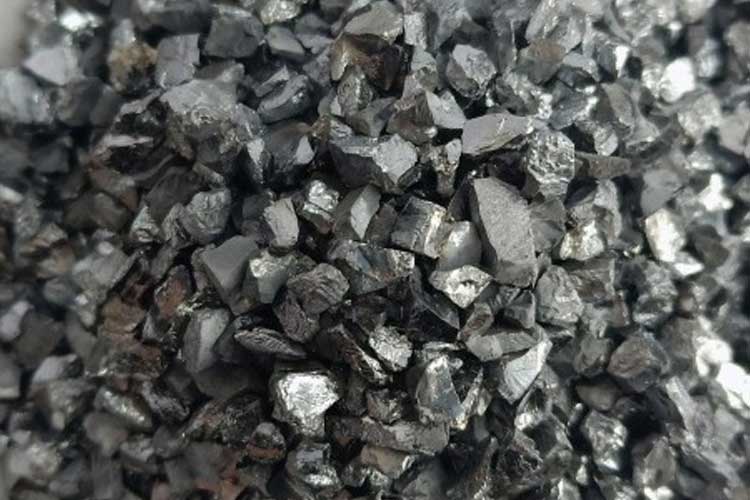
Chromium
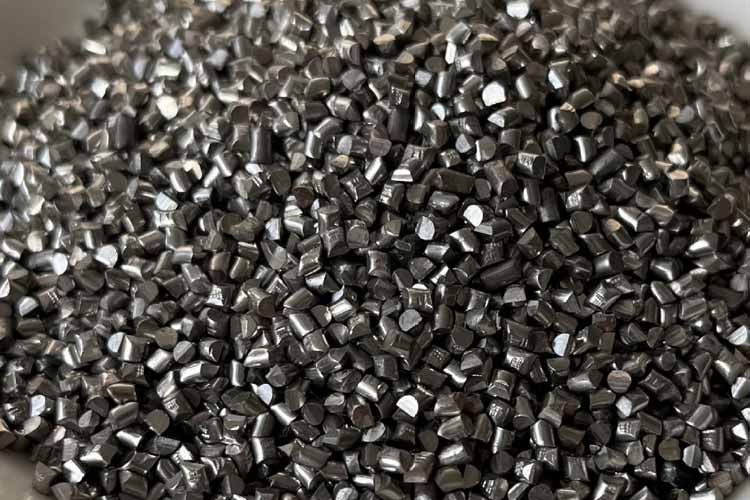
Nickel
Heavy Metal Risks in Different Fruits and Vegetables
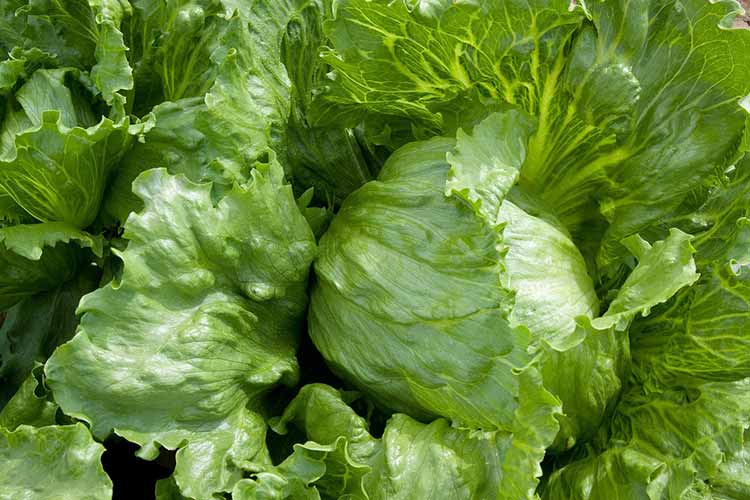
Leafy vegetables
Leafy vegetables have large leaf areas and short growth periods, making them prone to adsorbing heavy metal particles in the air through stomata or the epidermis. In addition, some leafy vegetables have a strong ability to accumulate elements in the soil.
Root vegetables
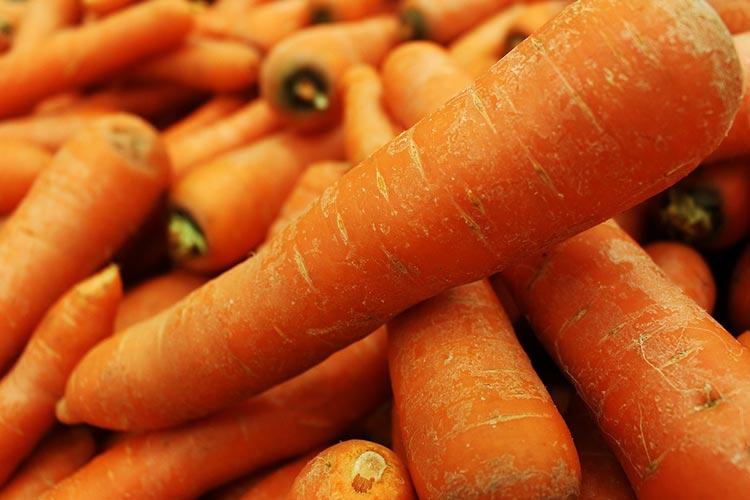
Root vegetables are in direct contact with the soil and their skins are prone to adhering to pollutants. For instance, carrots have a strong ability to absorb cadmium, while potatoes may accumulate arsenic in contaminated soil.
Aquatic vegetables
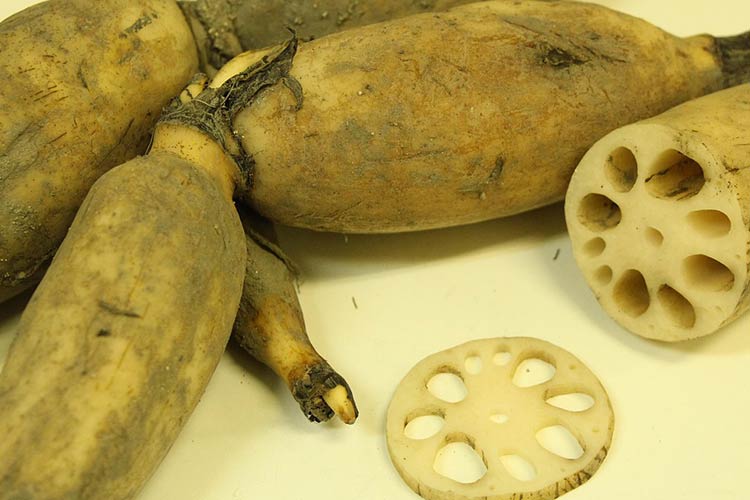
Aquatic vegetables grow in water bodies. If the water source is contaminated by industrial wastewater or agricultural pollution, roots of lotus may absorb and accumulate lead and cadmium through their root systems.
Fruits with edible peels
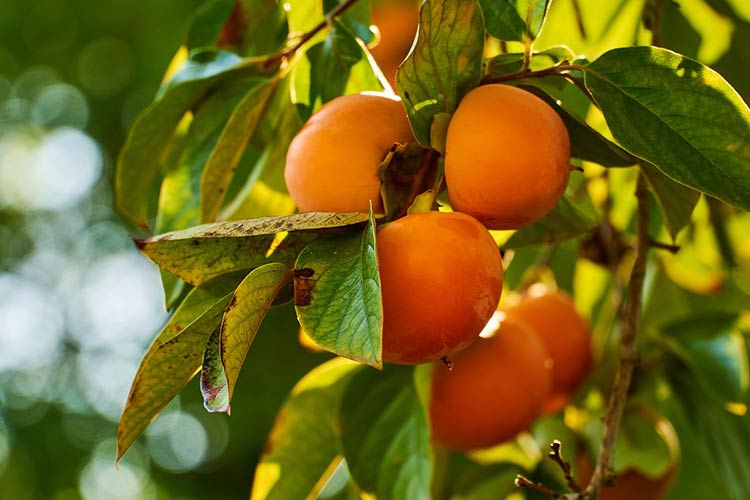
The thin peels or direct contact with air and water make these fruits and vegetables more susceptible to the influence of heavy metals in irrigation water or atmospheric deposition.
Fungi
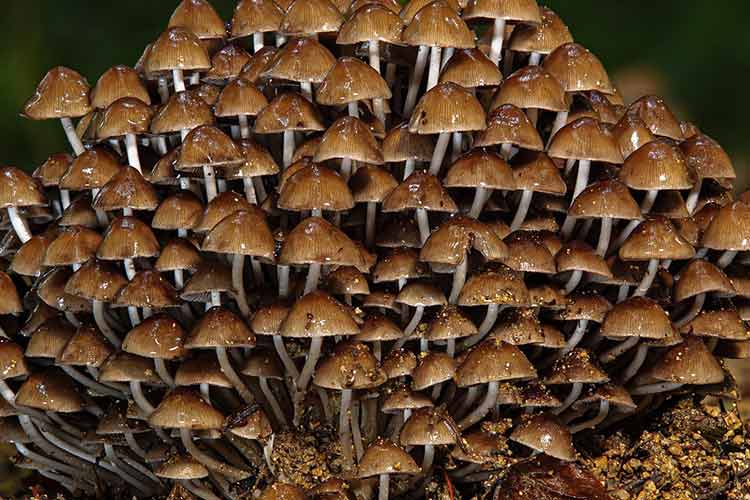
Fungi have a strong adsorption capacity for heavy metals in the environment, especially those that are wild or grown in polluted areas. Mushrooms may accumulate elements such as mercury and arsenic.
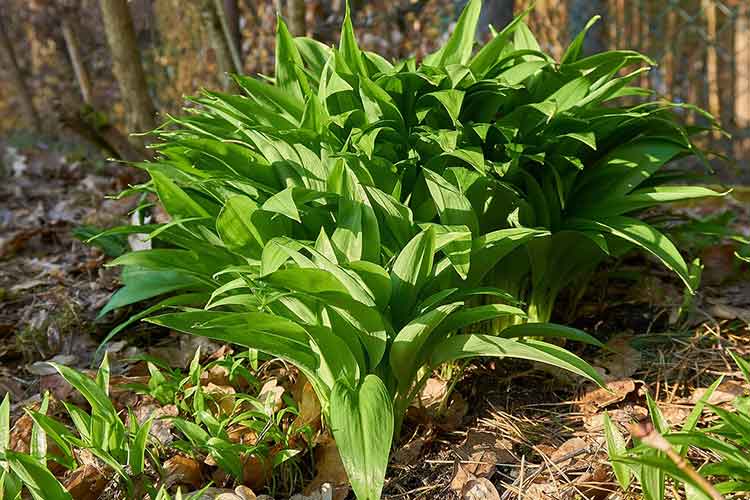
Wild vegetables
Wild vegetables mostly grow in the wild. If the soil or water source is polluted such as in mining areas or beside roads, they may absorb heavy metals through their root systems.
Side Effects of Heavy Metals in Fruits and Vegetables
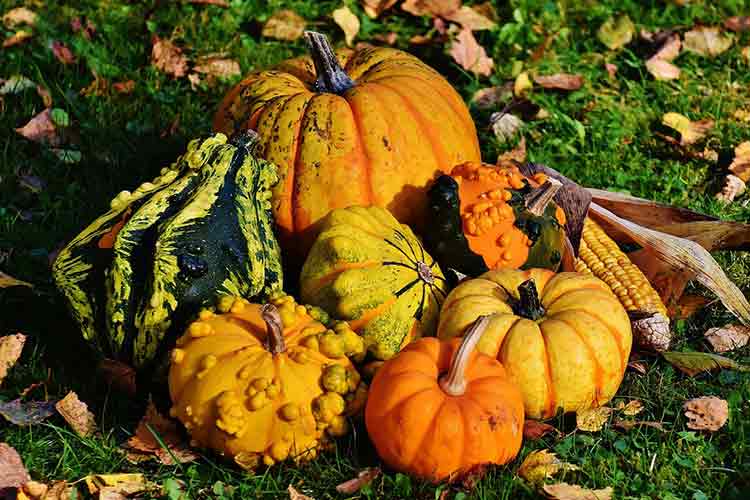
Once heavy metals accumulate in fruits and vegetables, they not only affect the normal growth of crops but also cause multi-level harm to human health through the food chain. The accumulation of heavy metals in fruits and vegetables will directly affect the normal growth and quality of crops. Metals such as cadmium, lead and arsenic can disrupt the photosynthesis of plants, inhibit the formation of chlorophyll and cause problems such as yellowing leaves, slow growth and damaged root systems in fruits and vegetables. At the same time, they can also disrupt the metabolic balance of plants, leading to poor fruit development and poorer storability, lowering the commercial value and yield of crops. From the perspective of agricultural production, heavy metal pollution not only damages the appearance, nutrition and flavor of fruits and vegetables, but also causes economic losses and affects the overall market competitiveness of crops.
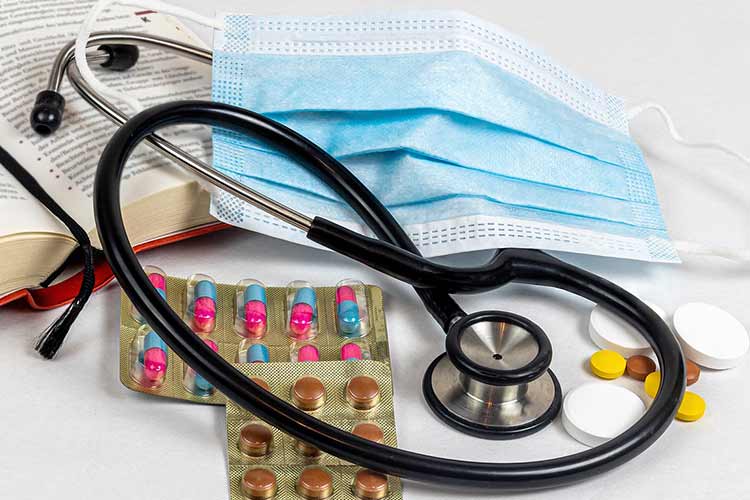
When these contaminated fruits and vegetables enter the human body, their harm becomes even more significant. Heavy metals are not easily metabolized and can accumulate in the human body for a long time, causing chronic damage to different organs. Cadmium may cause kidney damage and weakened bones. Lead is particularly harmful to children’s nervous systems and can affect intellectual development and attention. Arsenic has a definite carcinogenic risk and can affect the skin, cardiovascular system and immune system. Mercury may endanger the nervous system and kidney function. Even if the single intake is not high, long-term consumption of fruits and vegetables containing trace amounts of heavy metals may still lead to chronic poisoning. Therefore, monitoring the content of heavy metals in fruits and vegetables is of vital importance for ensuring food safety and human health.
How to Reduce the Risk of Heavy Metals in Fruits and Vegetables?
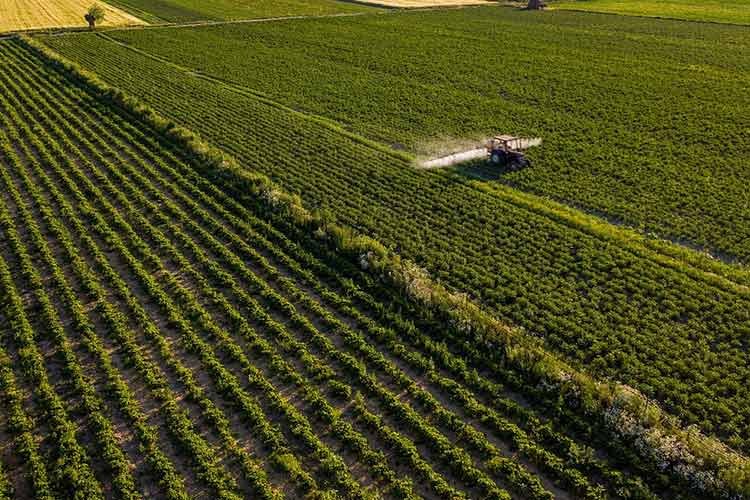
From the perspective of agricultural production, reducing the risk of heavy metals in fruits and vegetables requires controlling pollution from the source. First of all, farmland should be selected far from industrial areas and mining areas to avoid atmospheric deposition and the accumulation of heavy metals in the soil. Secondly, the agricultural department should regularly test the soil and irrigation water quality. For areas with high heavy metal content, remediation should be carried out such as applying organic fertilizers to reduce the bioavailability of heavy metals. Reasonable crop rotation and avoiding excessive application of chemical fertilizers and sludge fertilizers can also prevent the increased activity of heavy metals due to soil acidification or eutrophication. In addition, farmers can choose crop varieties that absorb less heavy metals and combine them with scientific irrigation management to reduce the transfer of heavy metals to fruits and vegetables from the root.
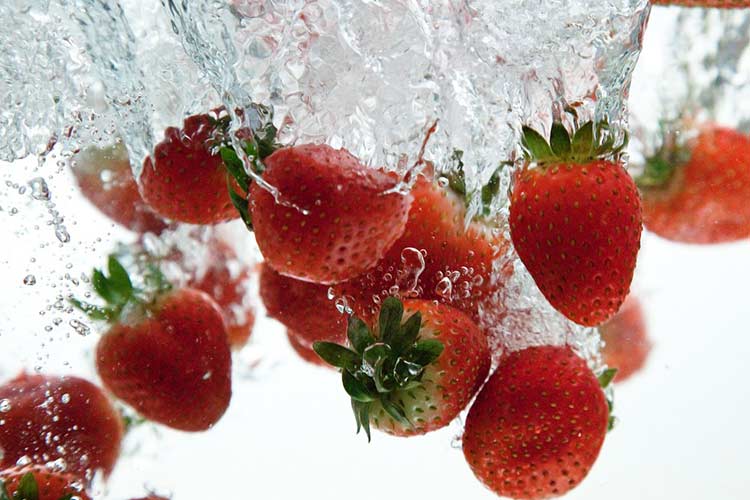
From the perspective of consumer, scientific processing methods can also significantly reduce the risk of heavy metal intake. When consumers purchase fruits and vegetables, they should give priority to products from regular channels with clear sources and avoid buying agricultural products from heavily polluted areas. Before consumption, fruits and vegetables should be thoroughly washed. Also, they can be rinsed several times with running water and then soaked in light salt water or baking soda water to remove any heavy metal particles that may adhere to the surface. A diverse diet is equally important. Avoid consuming large amounts of a certain type of vegetable over a long period of time, as it may have a high absorption of heavy metals. In addition, testing suspicious fruits and vegetables through home rapid detection tools such as heavy metal test kit for fruits and vegetables can also help consumers manage food safety more proactively and reduce the potential threat of heavy metals to health.
Recommended Washing Methods for Different Fruits and Vegetables
| Items | Recommended Washing Methods |
|---|---|
| Leafy vegetables | Rinse under running water for at least 30 seconds and blanch for 1-5 minutes. |
| Melon plants | Brush under running water and peel before eating. |
| Root vegetables | Brush under running water and peel before eating. |
| Multi-layered vegetables | Remove the outer 2-3 layers and rinse under running water for at least 30 seconds. |
| Legumes | Soak with baking soda solution for 5-10 minutes, rinse under running water and blanch for at least 5 minutes until fully cooked. |
| Solanaceous vegetables | Rinse under running water for at least 30 seconds and peel before eating. |
| Delicate fruits | Soak with baking soda solution for 5-10 minutes, rinse under running water. |
| Fruits with peel | Rinse under running water and peel before eating. |
Our Product - Heavy Metal Test Kit for Fruits and Vegetables
| Product | Sensitivity | Method |
|---|---|---|
| Cadmium Test Kit | 200 ppb | Colloidal Gold Competition Method |
Inquiry for Heavy Metal Test Kit for Fruits and Vegetables
We would like to hear from you. Please send us a message by filling out the form below and we will get back with you shortly.